

Language Milestones 18–24 Months: What's Happening and How to Give It a Boost
Between 18 and 24 months, single words start turning into real sentences; most toddlers go from a handful of clear words to dozens, then start putting them together. Here's what's typical for this stage and how to build on what's already working.
Language Milestones 12–18 Months: What's Happening and How to Give It a Boost
Between 12 and 18 months, your toddler's brain is doing some of its most intense language work — pointing, babbling, and slowly turning sounds into real words. Here's what's typical for this age and simple, no-flashcards-needed ways to help it along.
Your Baby at 12 Months: What's Happening with Language and How to Give It a Boost
Twelve months is a milestone parents circle on the calendar, and it usually comes with the same question: "Should my baby be talking by now?" The honest answer is almost never a simple yes or no — what's actually happening at this age is less about words coming out and more about the foundation being built underneath. Here's what's really going on with your baby's language, and a few no-extra-effort ways to give it a boost.
Choosing Age-Appropriate Books: An SLP's Guide
Every parent has stood in a bookstore aisle and wondered if a book is too babyish or too advanced. Here's how an SLP actually decides — and how to make one book work for your one-year-old and your five-year-old, without buying a new shelf every year.
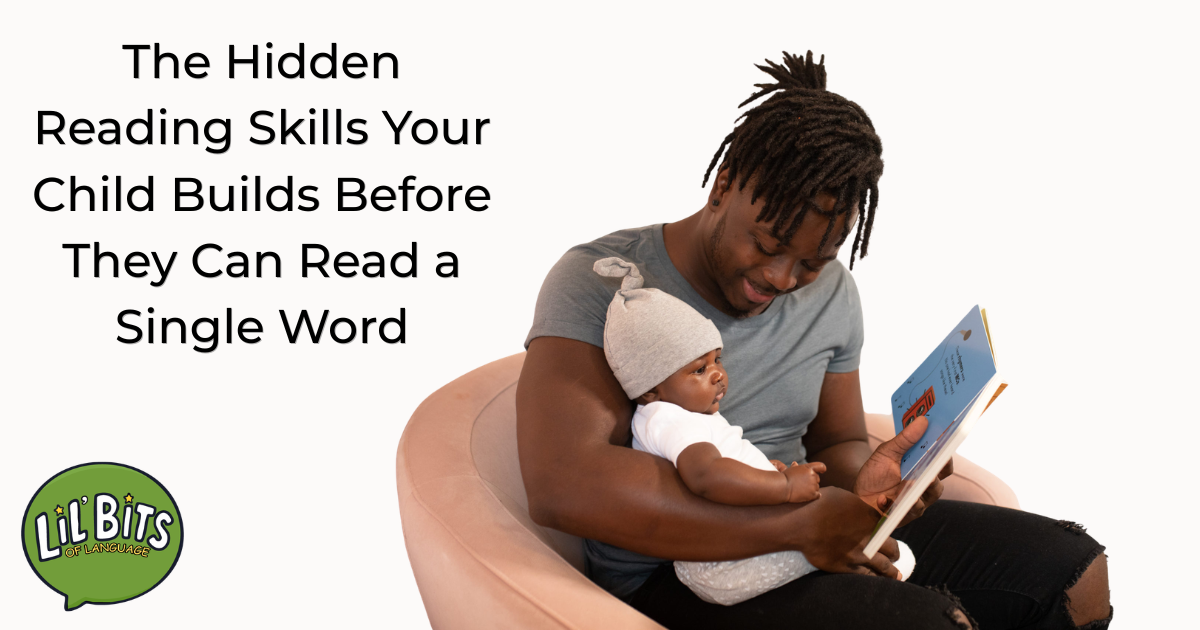
The Hidden Reading Skills Your Child Builds Before They Can Read a Single Word
Reading to a baby who can't talk yet, or even sit still, might feel like routine more than results. It's not. Every page they flip and picture they point to is building the exact skills that predict how well they'll read later, and it starts from day one.

The Most Important Words to Teach Your Child (SLPs Call Them 'Core Words')
Most of what we say every day comes down to a small set of words — and the same is true for children. Core words like more, go, want, and stop work in almost any situation, making them the most powerful place to start building language. Here's what they are and how to use them.
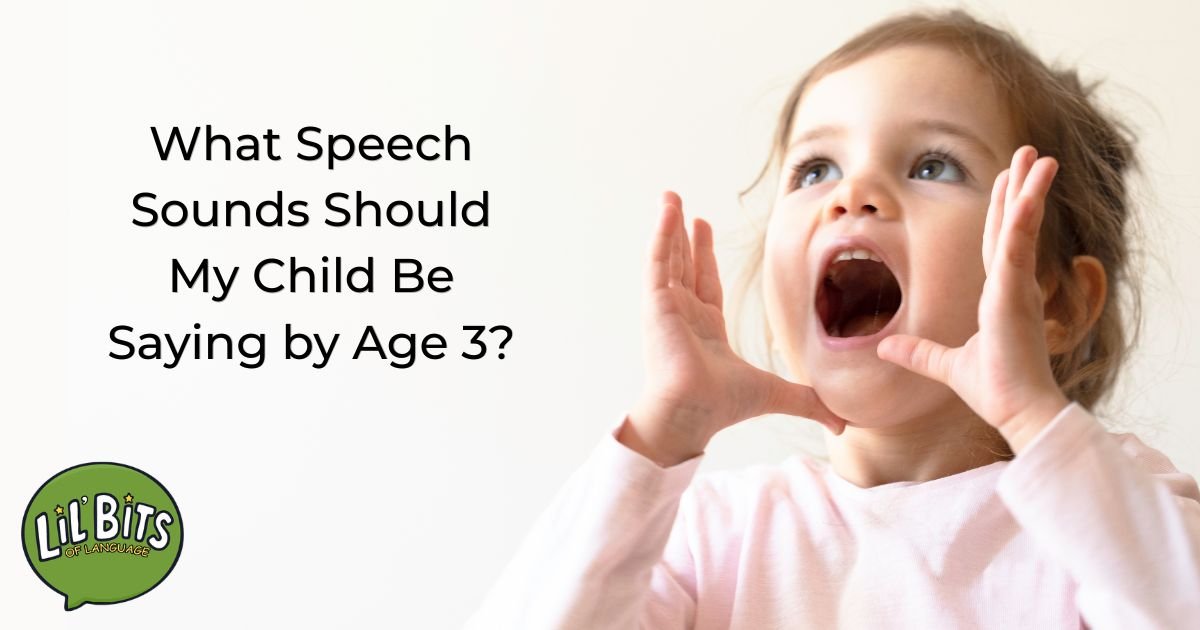
What Speech Sounds Should My Child Be Saying by Age 3?
Your child's first word gets all the attention, but communication starts long before that. From the first cry to babbling to "more milk," every stage is building toward something. So are the sounds. Not all speech sounds develop at the same time, and there's a reason your three-year-old can say "mama" but not "s." Their mouth just isn't ready yet. Here's what's typical at age three, and two simple tools you can use today — no drilling required.

Your Morning Routine Is Already a Language Lesson: Here's How to Use It
Your morning routine is already full of language opportunities — you just don't know it yet. No extra time, no new system. Here's how to use what you already have.